About
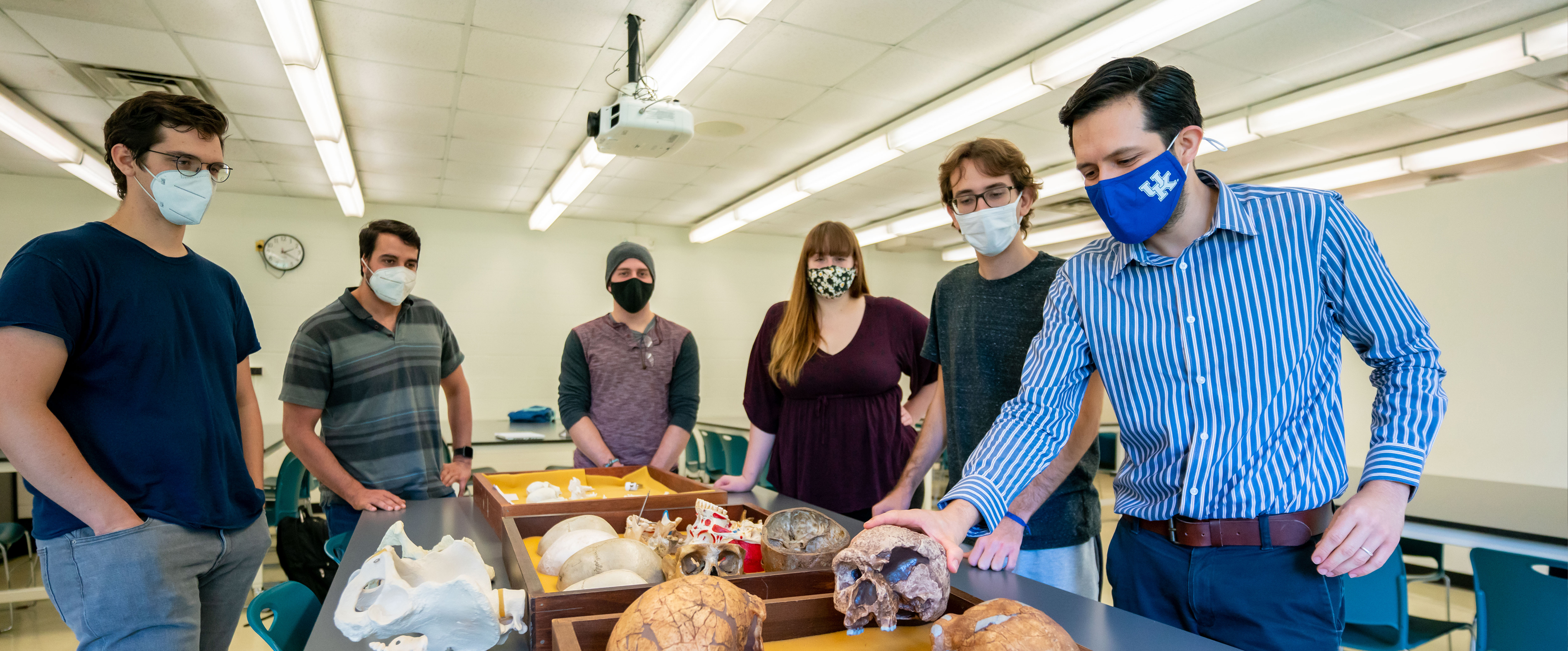
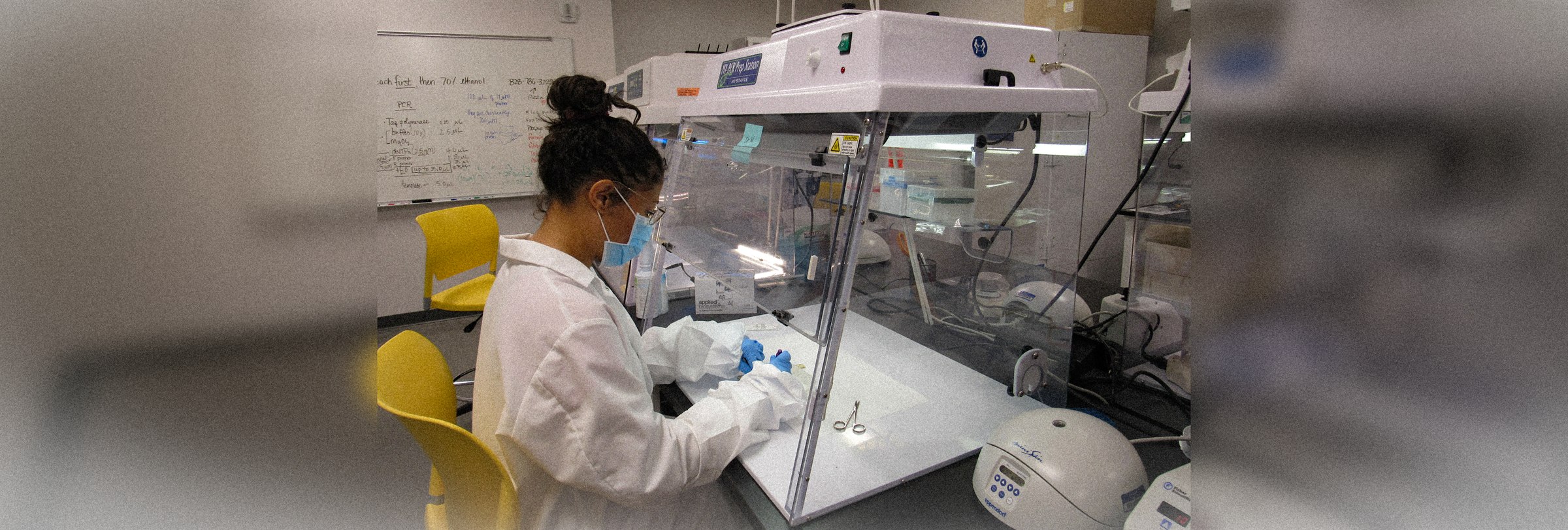
The Human Evolution and Virtual Archaeology Laboratory (HEVA) at the University of Kentucky explores the evolutionary history of humanity across the planet over the last million years. We address a diverse set of questions, ranging from the emergence and dispersal of our species in deep time, to the biocultural variation associated with changes in subsistence strategies, habitual economic activities, and kinship patterns in the recent past. We are guided by a strong evolutionary theoretical focus and apply a suite of computational and quantitative methods that maximize data acquisition and the preservation and valorization of biocultural heritage. Our work takes place within the U.S. National Science Foundation (NSF) Mid-Scale for Heritage Science, EduceLab. We collaborate regularly across disciplines at the University of Kentucky and beyond.

Philosophy
HEVA aims to provide an inclusive and intellectually stimulating environment founded on a culture of mutual respect, integrity, academic freedom, and dedication to personal and scientific excellence. We prioritize transdisciplinary and community-based participatory research and adhere to FAIR and CARE principles of data management and stewardship, maintaining an outlook that is simultaneously international in scope and locally contextualized in space and time.
History
Established in 2020, HEVA builds on the century-old natural and applied science foundation of the University of Kentucky’s Department of Anthropology, instituted in 1927 by William S. Webb, a physicist, and William D. Funkhouser, a zoologist. Webb and Funkhouser were instrumental in applying empirical approaches and emerging archaeological science methods to reconstructing the history of the Commonwealth of Kentucky. In addition, Funkhouser was an influential supporter of teaching evolutionary theory, following the nation’s first anti-evolution bill introduced by the Kentucky legislature in 1922 (House Bill 191). While the bill failed to pass by one vote, efforts later succeeded in the neighboring state of Tennessee with passage of the Butler Act in 1925, which prohibited teaching on the evolution of humans in state public institutions. University of Kentucky alumnus and former Funkhouser student John T. Scopes served as defendant challenging the Butler Act in the legal case colloquially referred to as the “Scopes monkey trial,” i.e. The State of Tennessee v. John Thomas Scopes. Webb and Funkhouser later established the William S. Webb Museum of Anthropology in 1931. The Department and Museum were industrious in archaeological and paleontological research, with productivity in excavations and research sustained largely through federal relief funds from the Works Progress Administration New Deal programs. In 1941, the Wenner-Gren Aeronautical Research Laboratory was established at the University of Kentucky (now the Department of Biomedical Engineering)—an aircraft research facility that included training chimpanzees for space flight. During the 1950s and 1960s, the Department of Anthropology had a thriving physical (i.e. biological) anthropology program and was highly regarded for its pedagogy in the subject, employing methods of teaching via television that at the time were highly innovative. Television programming targeted both students and the general public to disseminate knowledge on human biology from an evolutionary framework. As a result, it has been said that physical anthropology was better known in Kentucky than in any other state at the time. Subsequent decades saw strong opposition to the teaching of evolution in general and human evolution in particular. In addition, anthropology at the University of Kentucky followed national disciplinary trends of increasingly allying with other social science disciplines. Today, HEVA collaborates across Departments and Colleges at the University of Kentucky, advocating for a transdisciplinary, “four-field” approach to anthropology. In a testament to this commitment, our work is funded by the National Science Foundation, the National Endowment for the Humanities, and the Wener-Gren Foundation for Anthropological Research, among others.